
bespoke mirrors
Understanding Thread Gauge Plugs A Comprehensive Guide Thread gauge plugs are essential tools in various industries, particularly in manufacturing, engineering, and quality control. These plugs are designed to measure the internal thread specifications of a component, ensuring that parts fit together as intended and function correctly. With the increasing complexity of mechanical assemblies, understanding how thread gauge plugs work and their applications is vital for maintaining high standards of precision and quality in production. What is a Thread Gauge Plug? A thread gauge plug is a precision instrument that verifies the dimensions and quality of internal threads within a component. The plug features a specific thread profile cut into it, which corresponds to a particular standard, such as ANSI, ISO, or JIS. These plugs are often made from high-quality steel and can undergo various treatments to enhance durability and resistance to wear. Thread gauge plugs can be classified into two main categories Go and No-Go gauges. The Go gauge checks if the internal thread is within tolerable limits, allowing for a smooth fit of the mating part. In contrast, the No-Go gauge ensures that the thread does not exceed the maximum acceptable limits. Together, these gauges help enforce consistency in manufacturing processes and reduce the likelihood of assembly issues. The Importance of Thread Gauge Plugs Understanding the importance of thread gauge plugs is crucial for maintaining quality control and ensuring the longevity of assembled products. Here are several reasons why they are so valuable in manufacturing 1. Quality Assurance By utilizing thread gauge plugs, manufacturers can establish a systematic approach to inspecting threaded components. Regular inspections prevent defects from reaching the final assembly stage, ensuring that every part functions as designed. 2. Consistency In large-scale production, maintaining consistency across components is vital. Thread gauge plugs help standardize measurements, reducing variations that can lead to fitting issues when parts are assembled. 3. Cost Efficiency Identifying and resolving thread issues early in the production process can save significant costs associated with rework or scrapping defective parts . Investing in proper measurement tools, such as thread gauge plugs, ultimately contributes to a more efficient manufacturing process. thread gauge plug 4. Enhanced Performance Components that fit together correctly are less likely to encounter stress or fatigue during operation. Ensuring precise threading can enhance the lifespan of the end product and improve overall performance. How to Use Thread Gauge Plugs The proper use of thread gauge plugs is critical for accurate measurement. Here are the steps to follow 1. Select the Appropriate Gauge Choose the plug gauge that corresponds to the thread specification you are measuring. It is essential to ensure that you are using the correct standard for your application. 2. Clean the Threaded Area Before inserting the gauge, ensure that the internal threads are clean and free of debris. Dirt or oil can lead to inaccurate measurements. 3. Test the Go Gauge First Insert the Go gauge into the threaded hole. It should easily engage, indicating that the thread is within acceptable limits. If it does not fit, the thread may be undersized. 4. Check with the No-Go Gauge Following the Go gauge test, insert the No-Go gauge. It should not engage with the thread; if it does, the thread is oversized or out of tolerance. 5. Document and Evaluate the Results After testing both gauges, record the results. If any discrepancies are found, review the manufacturing process to identify potential areas for improvement. Conclusion Thread gauge plugs are critical tools for ensuring the quality and consistency of threaded components in various industries. Their role in quality control cannot be overstated, as they help maintain the standards necessary for seamless mechanical assemblies. Understanding the functioning and application of thread gauge plugs is essential for anyone involved in manufacturing or quality assurance, highlighting their contribution to efficient production processes and enhanced product performance. Proper use of these gauges can lead to significant long-term benefits, making them an indispensable asset in any manufacturing environment.
about
bespoke mirrors
One-Way Ball Check Valve Essential Component for Fluid Control A one-way ball check valve is a crucial fitting used in various fluid systems to prevent backflow, ensuring that liquids or gases flow in only one direction. This device plays a vital role in various industries, including plumbing, oil and gas, chemical processing, and water supply systems. Its simplicity and reliability make it an indispensable component for maintaining system integrity and efficiency. How It Works The one-way ball check valve operates on a straightforward principle. Inside the valve, there is a spherical ball that seats against a conical or angled seat. When fluid flows in the intended direction, the pressure forces the ball away from the seat, allowing the fluid to pass through. Conversely, if there is a reverse flow, the ball is pressed against the seat by the fluid pressure, effectively sealing the passage and preventing backflow. This mechanism is particularly beneficial in applications where backflow can cause contamination, damage, or system inefficiency. For example, in a wastewater system, backflow could lead to contamination of clean water supplies, while in a heating system, it could disrupt the heating process and damage equipment. Advantages of One-Way Ball Check Valves One of the primary advantages of one-way ball check valves is their ability to provide reliable sealing against backflow. Unlike other check valves, their design allows them to handle various fluid types and conditions, including those that might contain solids or debris. The smooth surface of the ball minimizes friction, enabling efficient flow and reducing the likelihood of blockage. one way ball check valve Moreover, these valves are generally low maintenance due to their simple design. They don’t typically include moving parts that can wear or fail, which makes them a cost-effective solution for long-term use. Additionally, their compact size allows easy integration into various piping systems without requiring extensive modifications. Applications One-way ball check valves find applications in numerous sectors. In residential plumbing, they are often used to prevent water from reversing back into the main supply line. In industrial settings, they are essential for pumps, ensuring that the fluid flows in the required direction while protecting the pump from damage caused by backflow. In the oil and gas industry, these valves help maintain the integrity of pipelines where fluid must flow under high pressure. They are also crucial in chemical processing plants, where the prevention of backflow can avert dangerous chemical reactions and ensure safety. Conclusion In summary, one-way ball check valves are simple yet effective devices that play a critical role in fluid control systems. Their design ensures a reliable seal to prevent backflow, making them invaluable in a wide range of applications across various industries. Due to their durability and low maintenance requirements, they not only enhance system efficiency but also contribute to overall safety in fluid handling processes. As technology advances, the design and materials used in these valves will likely evolve, further improving their performance and expanding their applications.
-

High quality industrial productsagement

High quality industrial products
View Details -

Meet the diverse needs of customers

Meet the diverse needs of customers
View Details -

Strict quality control

Strict quality control
View Details -

Top raw materials

Top raw materials
View Details -

Trusted supplier

Trusted supplier
View Details
Our application
news and information
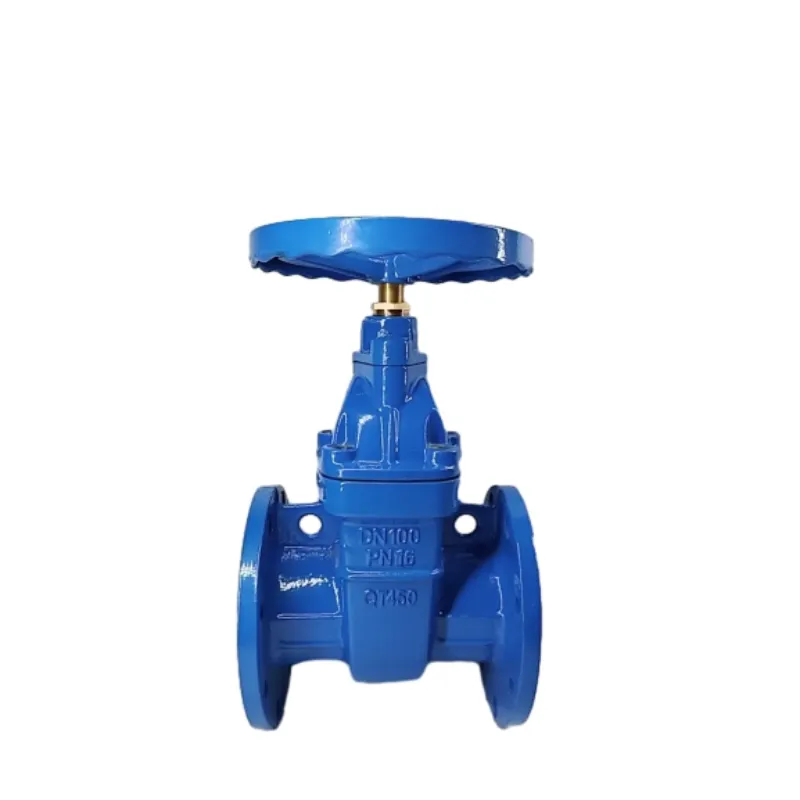
What are the Main Application Areas of Butterfly Valves
Butterfly valves , as an important industrial valve, have a wide and diverse range of applications.

Versatile and Durable Galvanized Strut Pipe Clamps for Secure Industrial Applications and Constructi
The Importance of Galvanized Strut Pipe Clamps in Construction and Infrastructure In the world of co
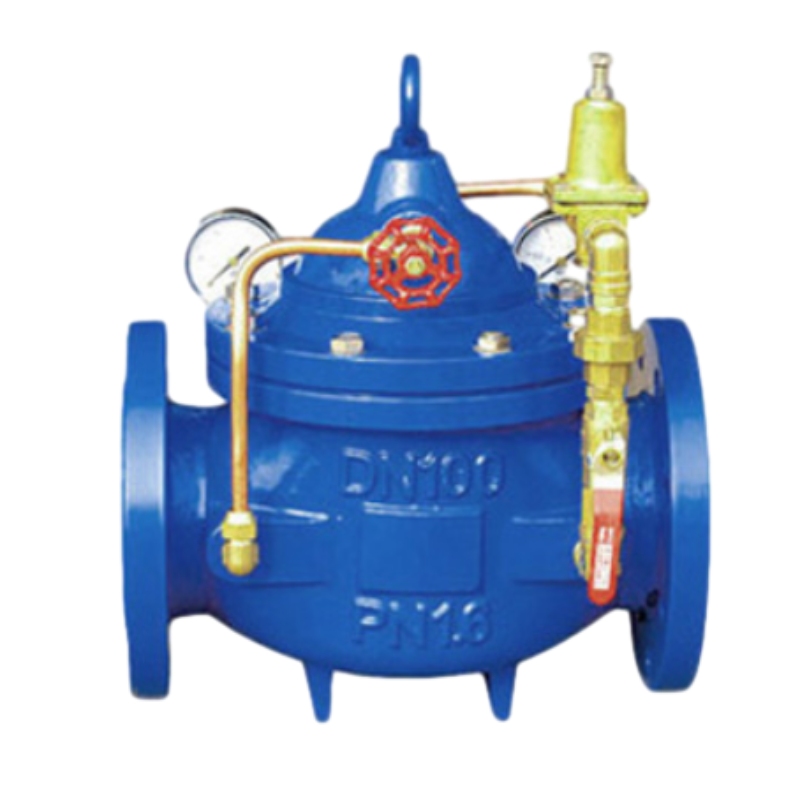
Water Pressure Control Valve for Efficient Regulation and System Protection
Understanding Water Pressure Reduction Valves Water pressure reduction valves (PRVs) are essential c
 English